01
Send
Email the referral
Send the referral letter, relevant history and any imaging reports to vcninr@outlook.com.
VCN Interventional Radiology and Interventional Neuroradiology · Sydney · Gold Coast
Minimally invasive treatment for the brain, spine and blood vessels.
About
Consultant interventional neuroradiologist and interventional radiologist.
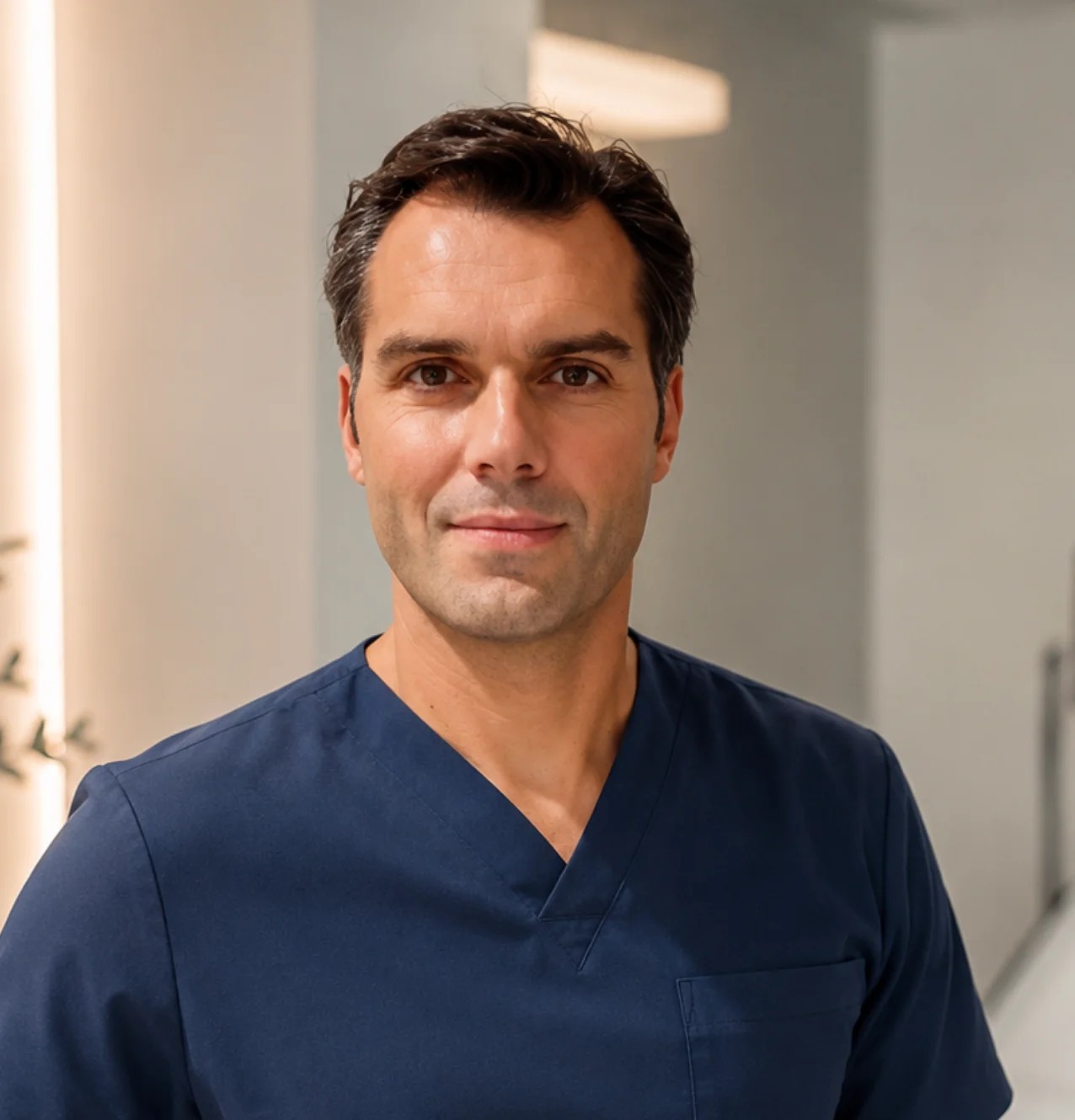
Dr Vinicius (Vini) Carraro do Nascimento is a consultant interventional neuroradiologist and interventional radiologist. He currently practises at Royal North Shore and Westmead Hospitals in Sydney (since September 2026), at Wyvern Private Hospital in Terrey Hills, at Royal Brisbane and Women's Hospital, and as a VMO at Mater Private Gold Coast.
Before that he was a consultant in diagnostic radiology, interventional radiology and interventional neuroradiology at Gold Coast University Hospital (2022–2026).
He trained in medicine at UFCSPA in Porto Alegre, Brazil, completed radiology training in Western Australia and on the Gold Coast, then did fellowships in interventional radiology at Christchurch Hospital, New Zealand, and in interventional neuroradiology at Gold Coast University Hospital.
He has a strong research and teaching profile in stroke thrombectomy, distal vessel occlusions, flow diversion and transradial access, and lectures internationally.
Conditions and procedures
Mechanical thrombectomy, including distal/medium vessel occlusions. Aspiration and stent-retriever techniques.
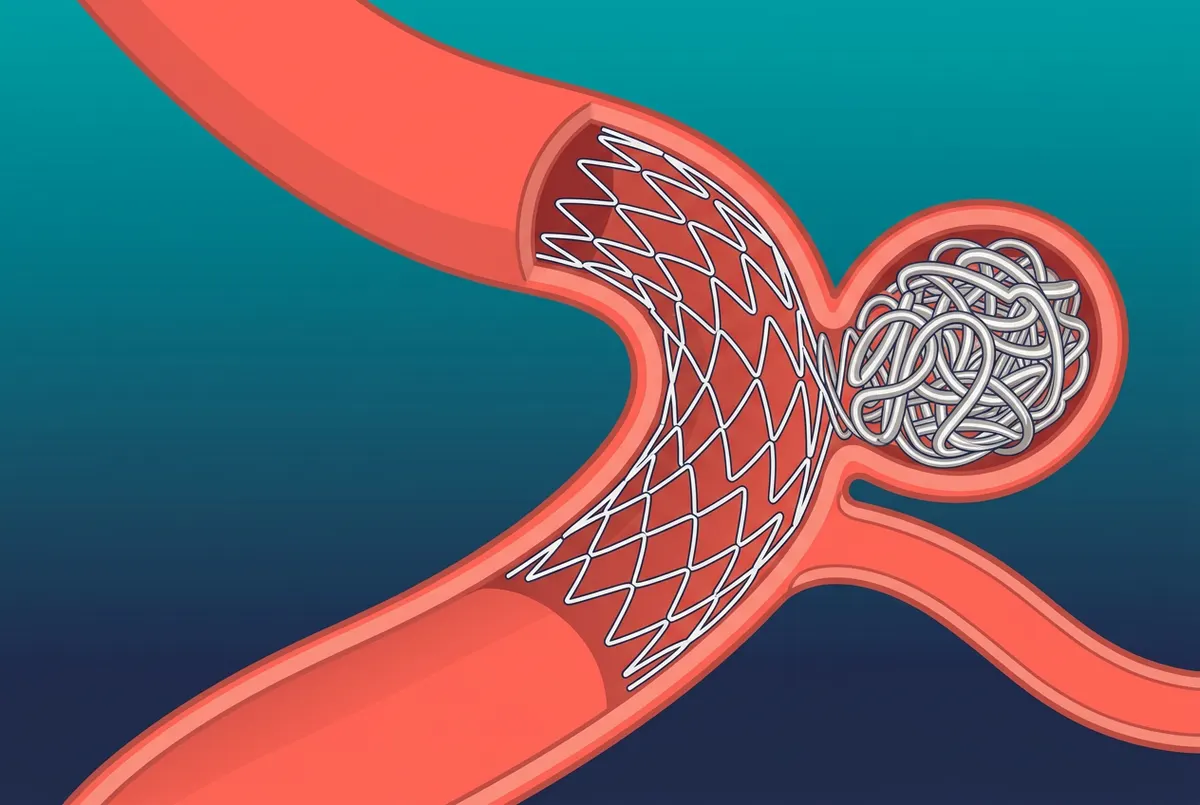
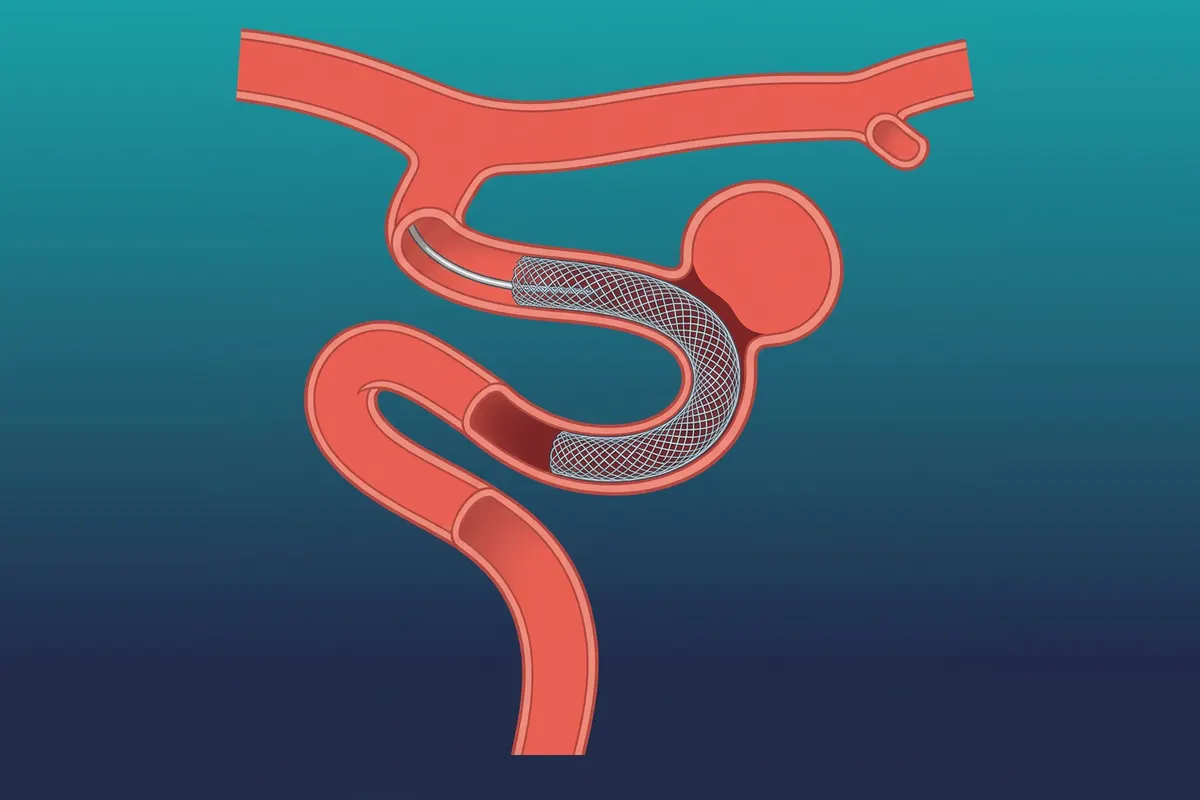
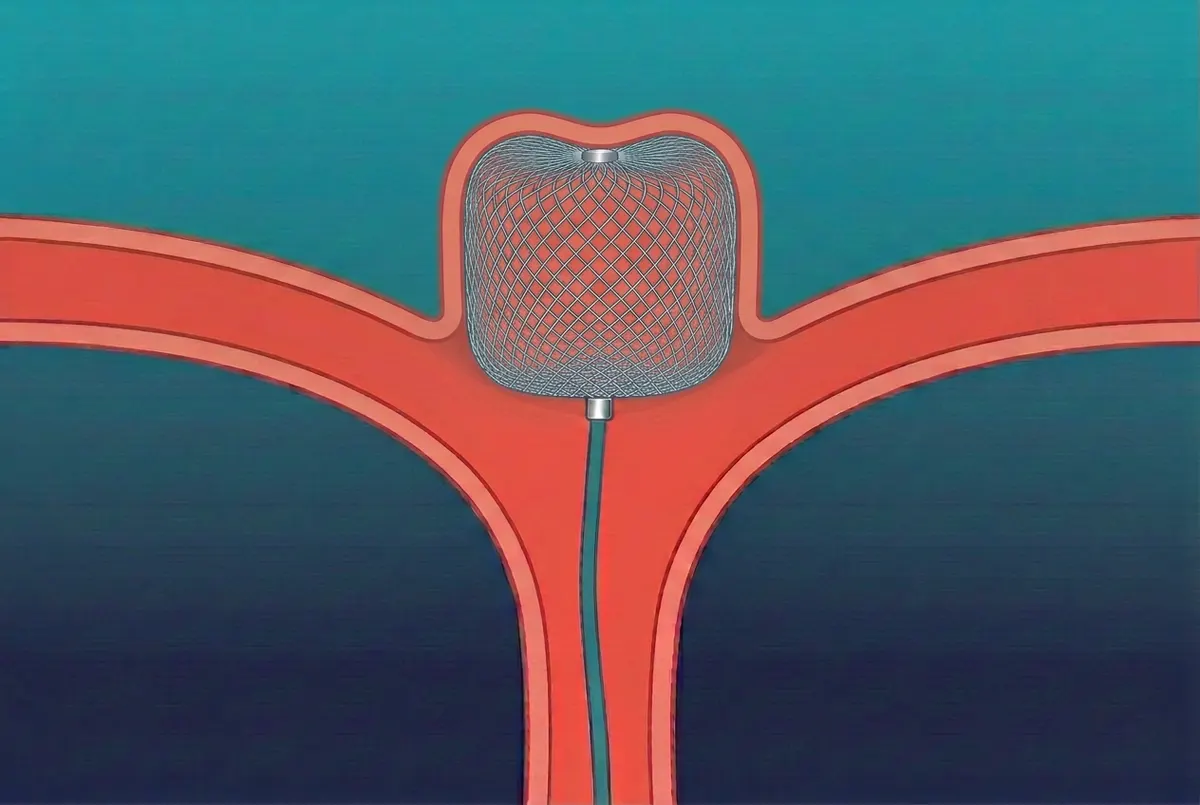
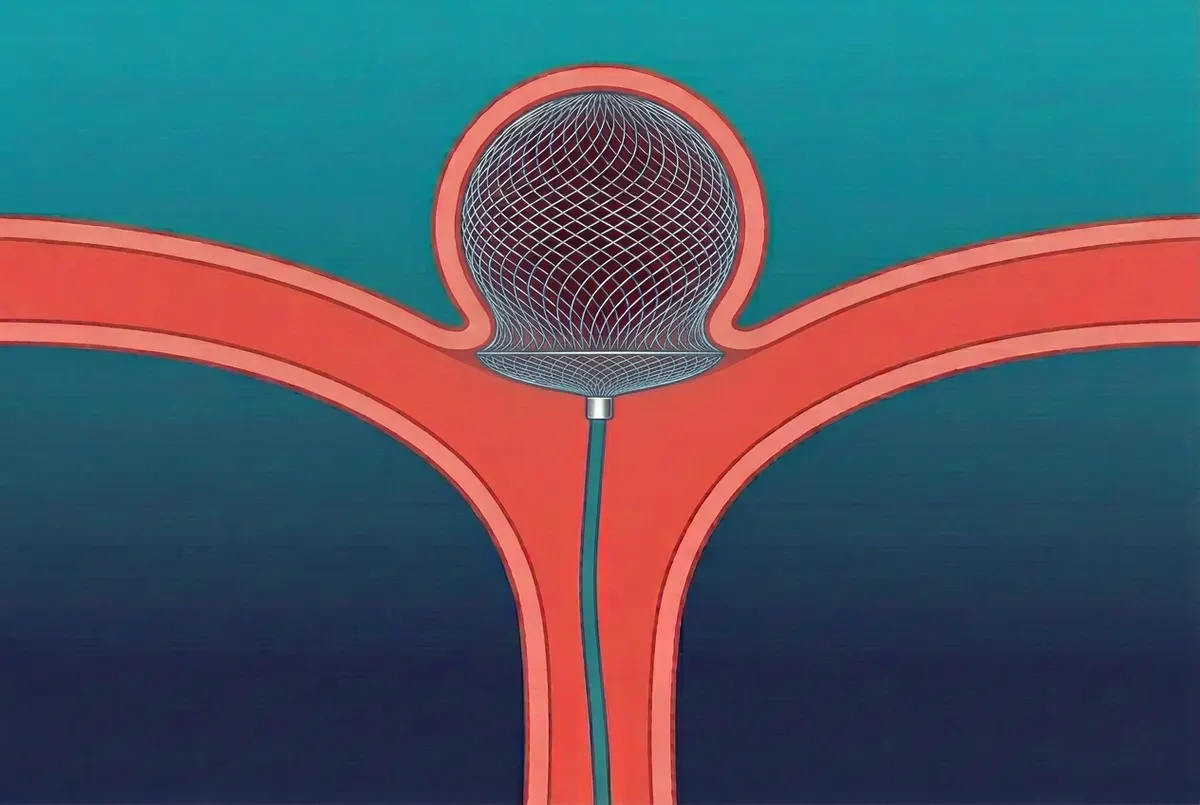
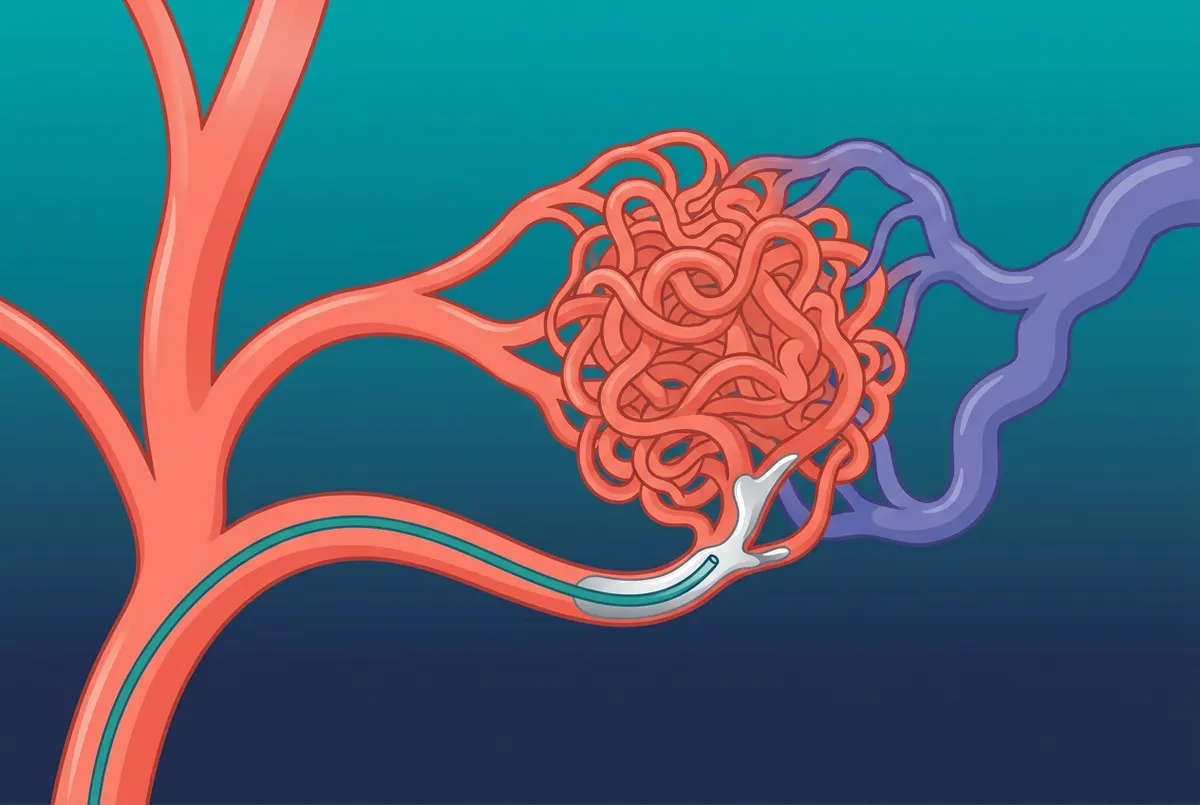
Embolisation of brain and spinal AVMs and dural arteriovenous fistulas.
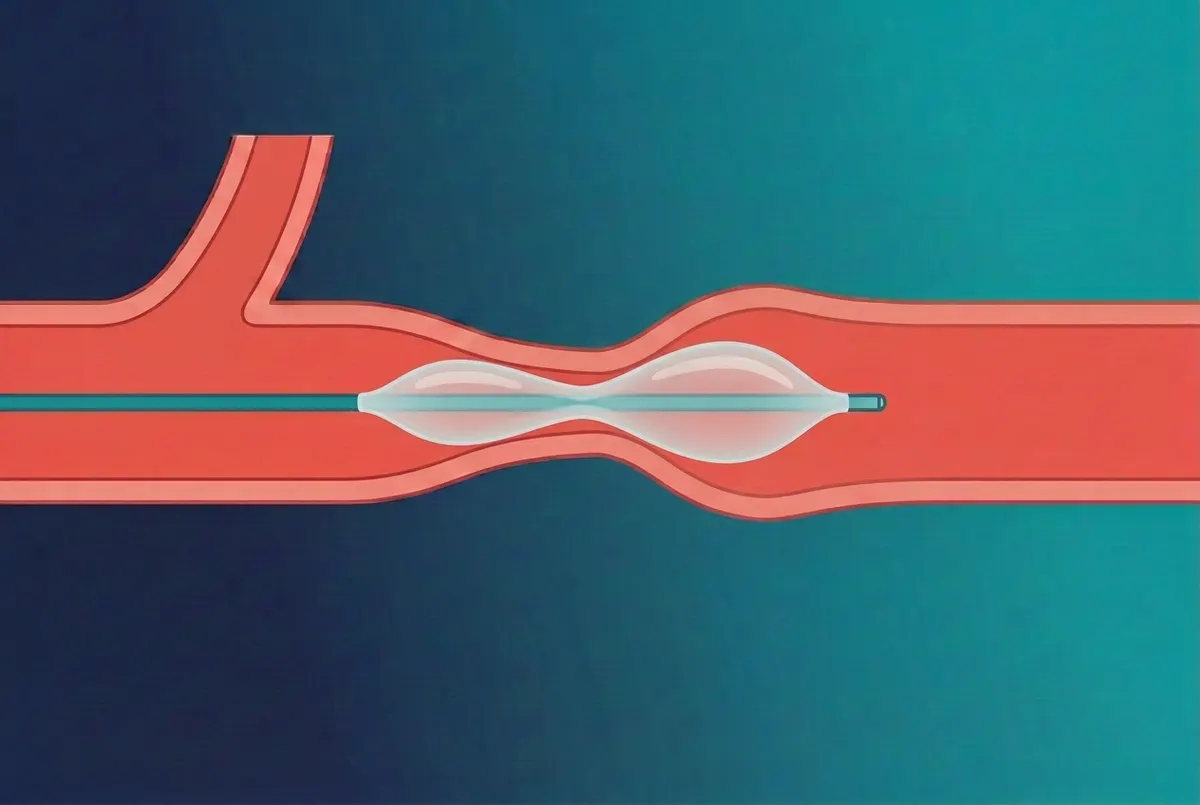
After subarachnoid haemorrhage: intra-arterial therapy and angioplasty.
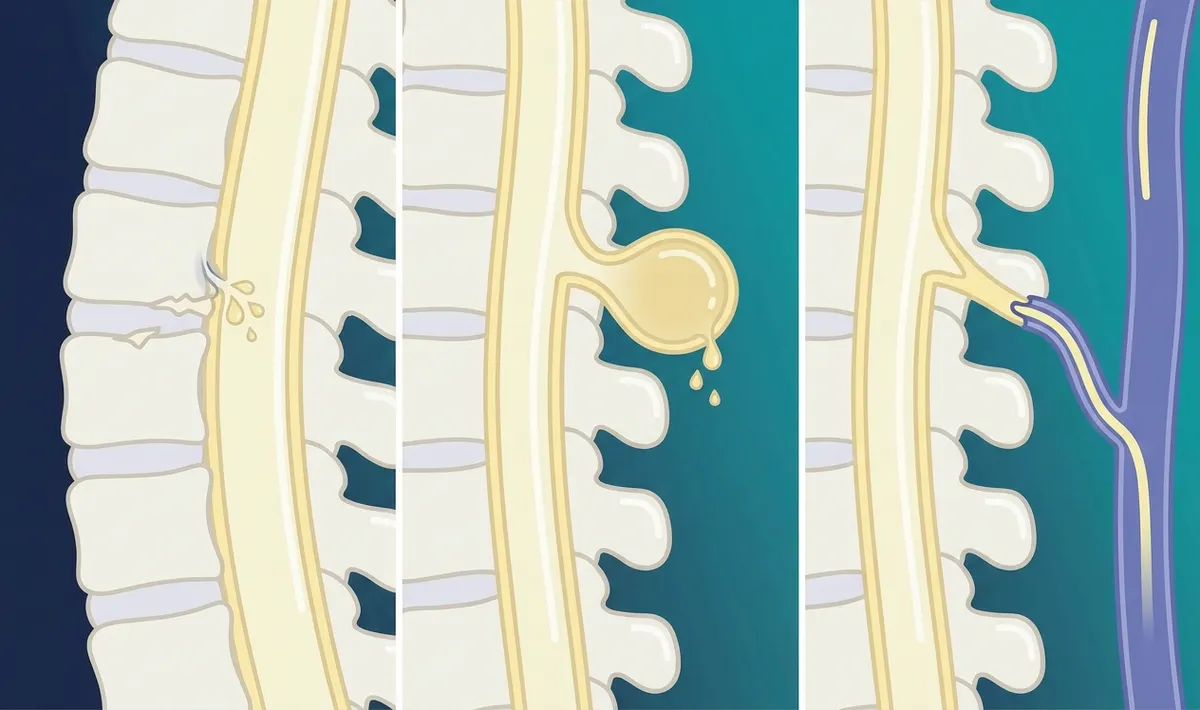
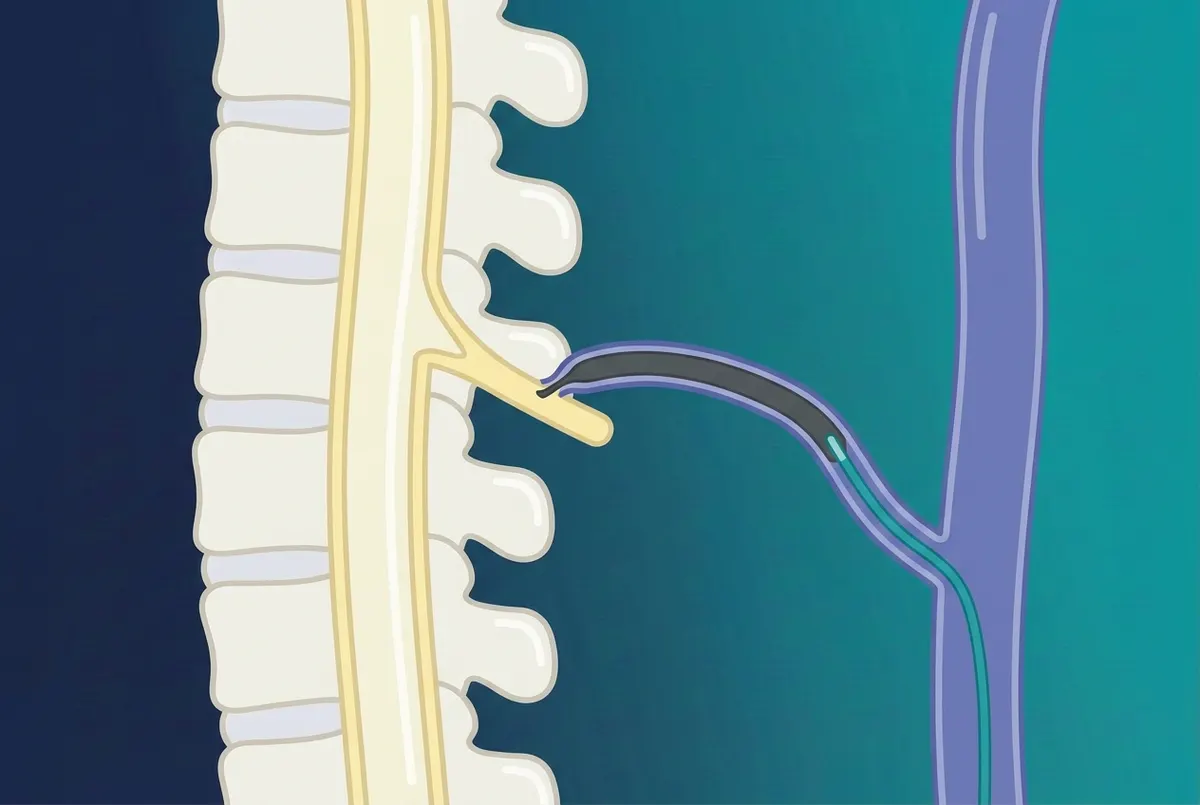
Middle meningeal artery embolisation.
Carotid and intracranial stenting.
Cerebral and spinal digital subtraction angiography.
Port-A-Cath insertion and ultrasound-guided procedures.
On the Gold Coast, these procedures are performed at Interventional Pain GC (IPGC) in Robina, a clinic dedicated to CT- and ultrasound-guided spine, joint and musculoskeletal procedures. Most procedures are bulk billed.
Hospitals
Sydney, NSW
Sydney, NSW
33A Myoora Rd, Terrey Hills NSW 2084
Wyvern Medical Imaging offers CT, MRI, interventional radiology and specialist angiography, open to outpatients with a GP referral. Bookings: (02) 8428 2500.
Brisbane, QLD
New Zealand
14 Hill St, Southport QLD 4215
How to refer
01
Send
Send the referral letter, relevant history and any imaging reports to vcninr@outlook.com.
02
Include
Please include the patient's name, date of birth, contact number, Medicare and private health insurance details.
03
Imaging
Imaging can be shared by link or via your usual PACS access.
04
Urgent cases
If you suspect a stroke, call 000 immediately. Clinicians referring an urgent case can call the Royal North Shore Hospital switchboard on (02) 9926 7111 (24 hours) and ask for the on-call interventional neuroradiologist.
05
Afterwards
After the procedure, you receive a detailed report letter.
For patients
Depending on your cover, gap-free billing may be available. Ask at the time of booking.
Patient resources
General information only, not a substitute for advice from your own doctor. In an emergency, call 000.
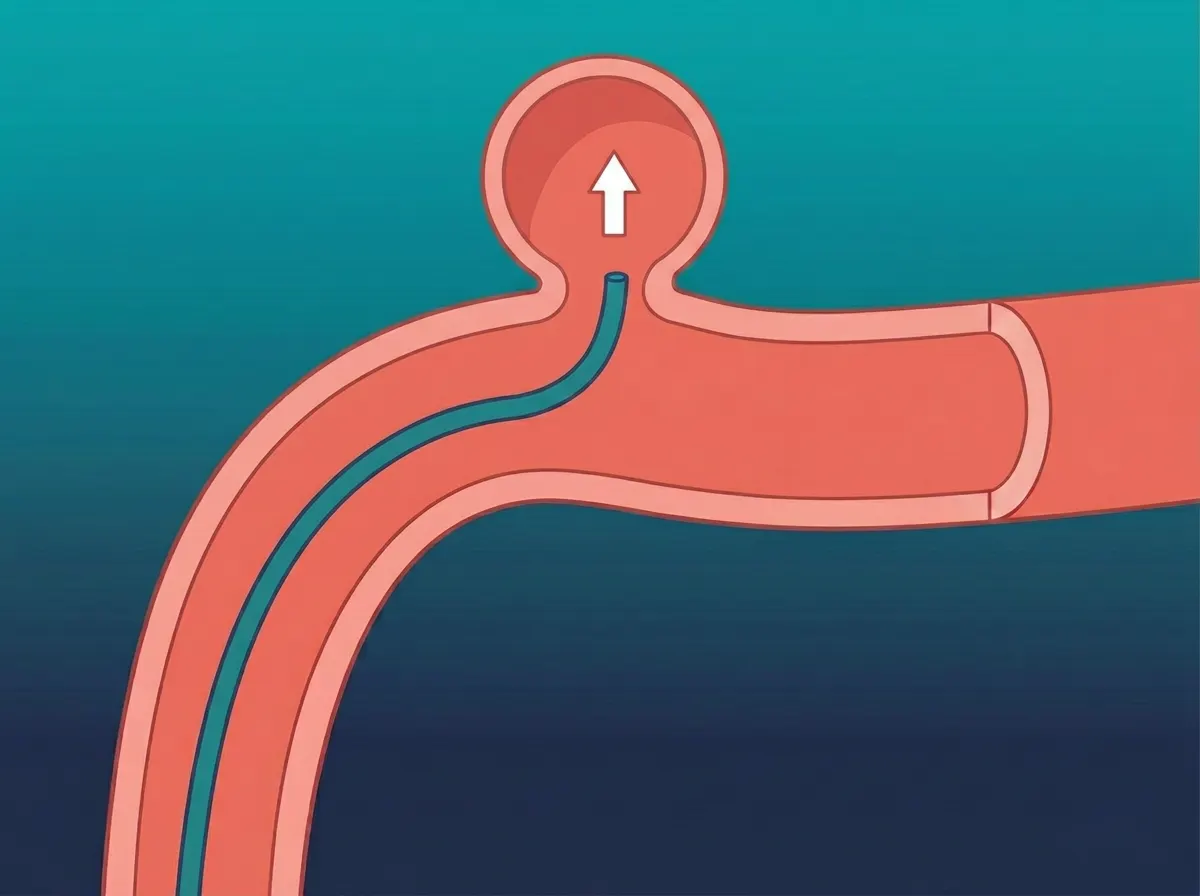
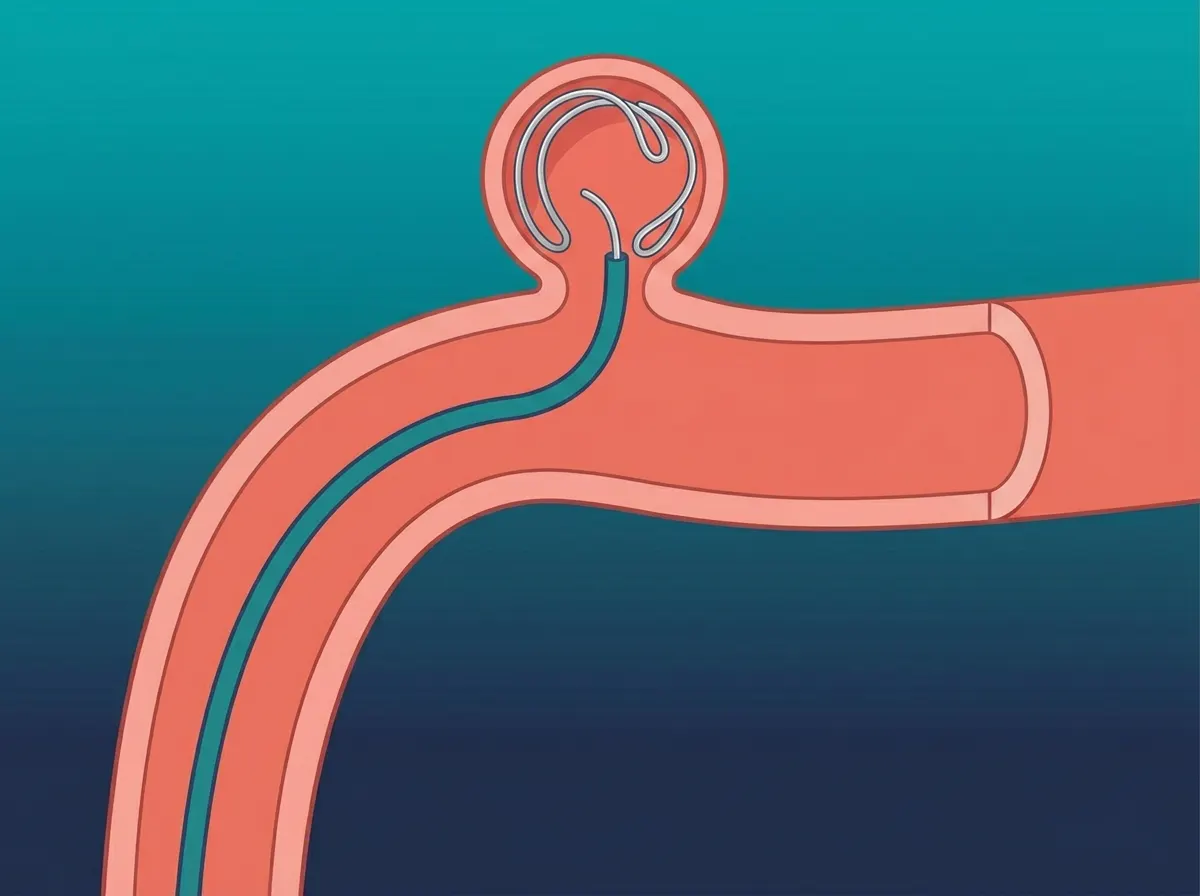
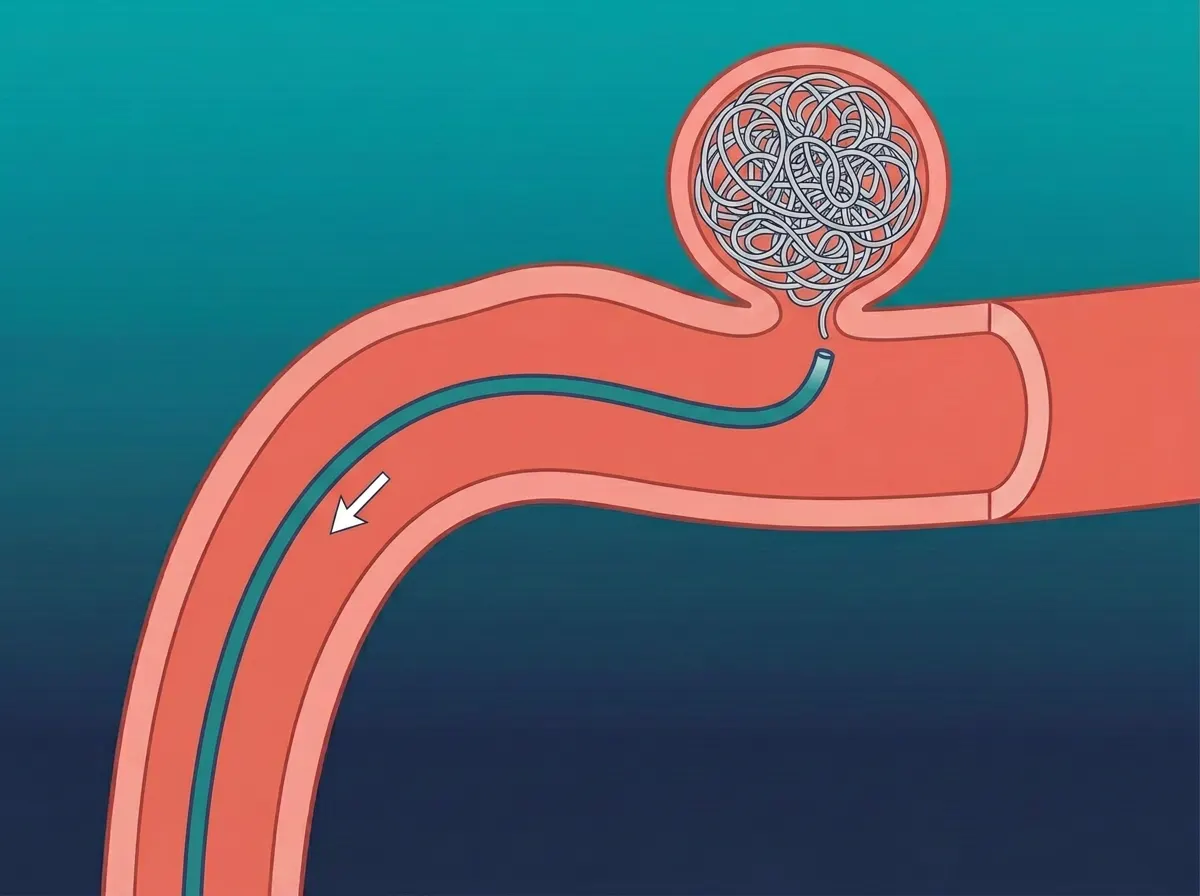
What it is. A weak, bulging spot on an artery in the brain. About 3 in 100 adults have one, and most never rupture or cause symptoms. Many are found by chance on a scan done for another reason.
When to worry. A ruptured aneurysm causes a sudden, severe “thunderclap” headache, often the worst of a person’s life, sometimes with vomiting, a stiff neck, collapse or confusion. Call 000 immediately.
If an aneurysm is found. Not every aneurysm needs treatment. The decision depends on its size, shape and location, your age and health, and family history.
Lowering your risk. Stop smoking, keep your blood pressure well controlled, and limit alcohol.
Act fast: call 000. Think F.A.S.T.: Face drooping, Arm weakness, Speech difficulty, Time to call 000.
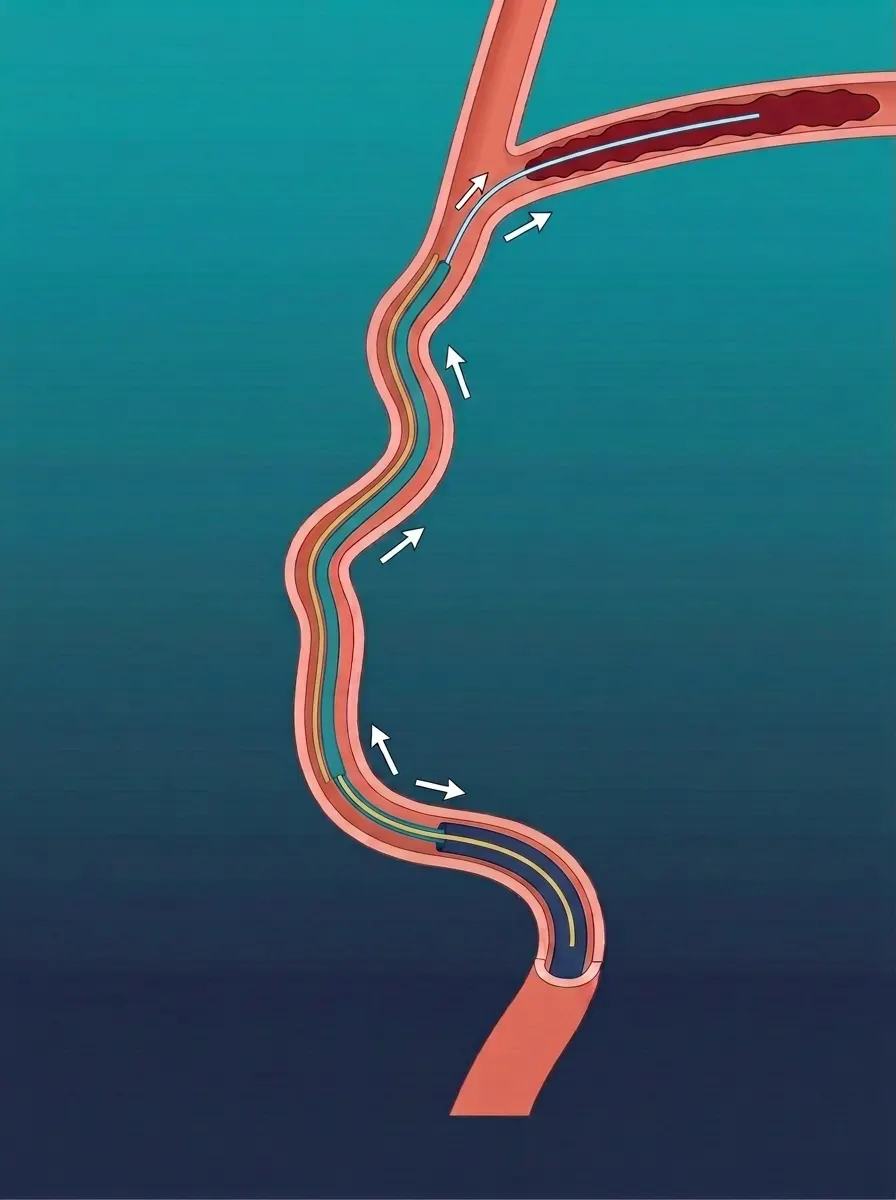
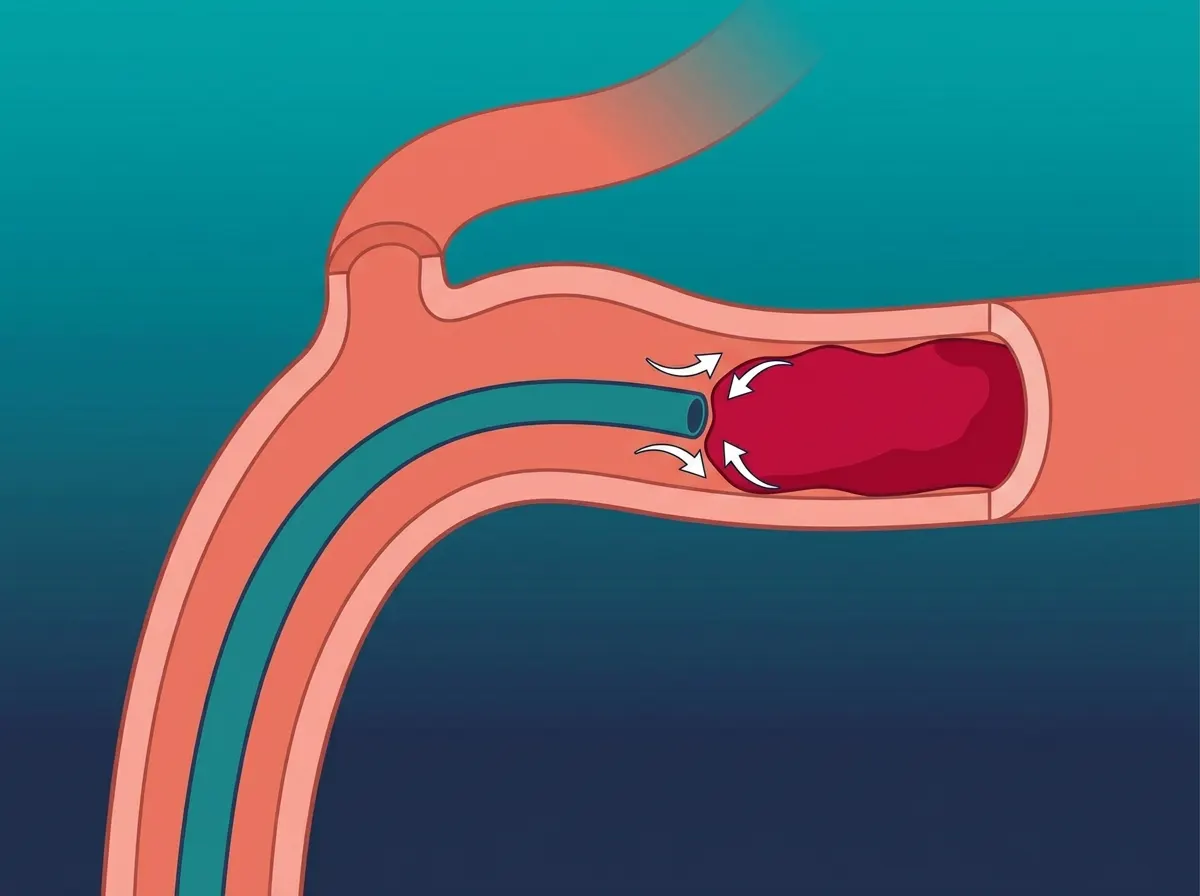
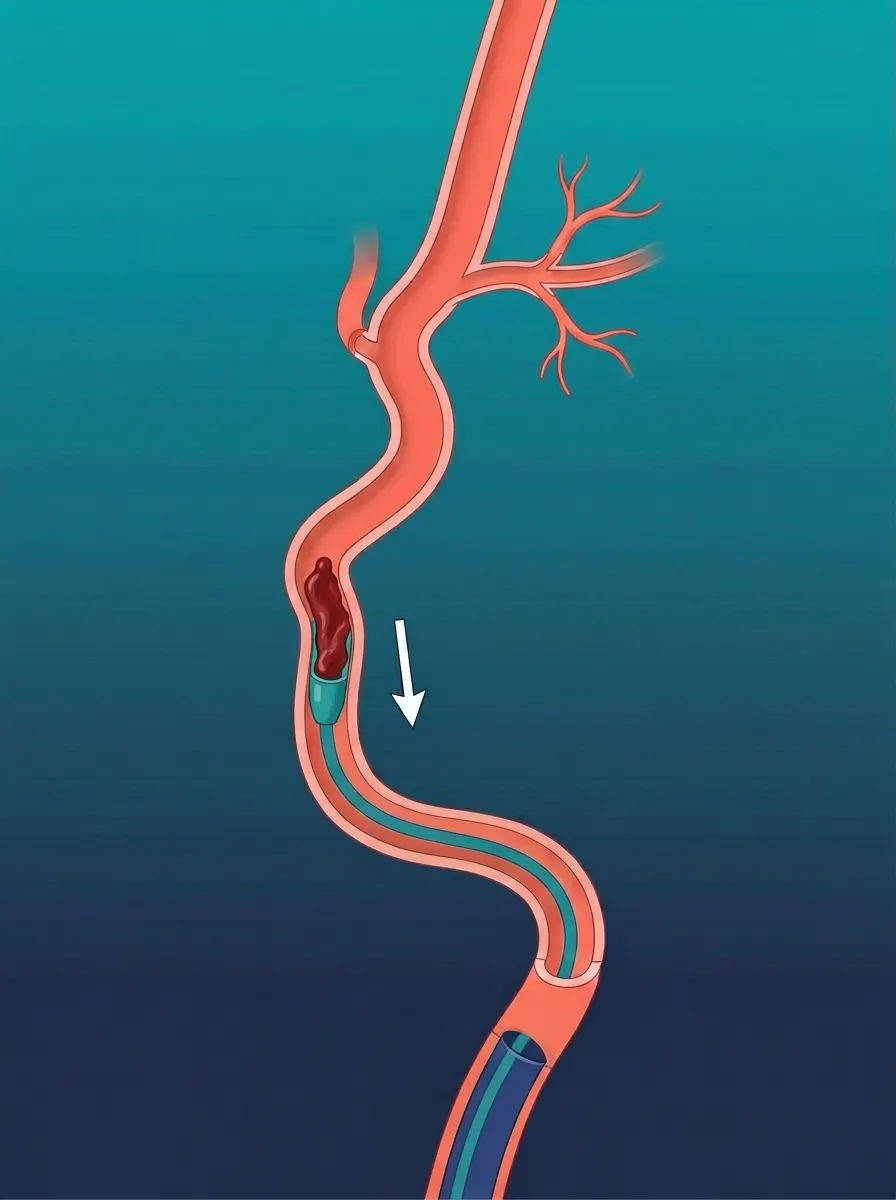
What it is. In a major stroke, a clot blocks a large artery. A thin catheter is guided from the groin or wrist to the brain and the clot is removed. For the right patient, it is one of the most effective treatments in medicine.
Timing matters. Treatment works best within hours, though selected patients can still benefit up to 24 hours after symptoms start, guided by brain imaging. Never wait to see if symptoms pass.
Referral. Patients are assessed through the hospital stroke team. Royal North Shore Hospital provides a 24/7 clot retrieval service.
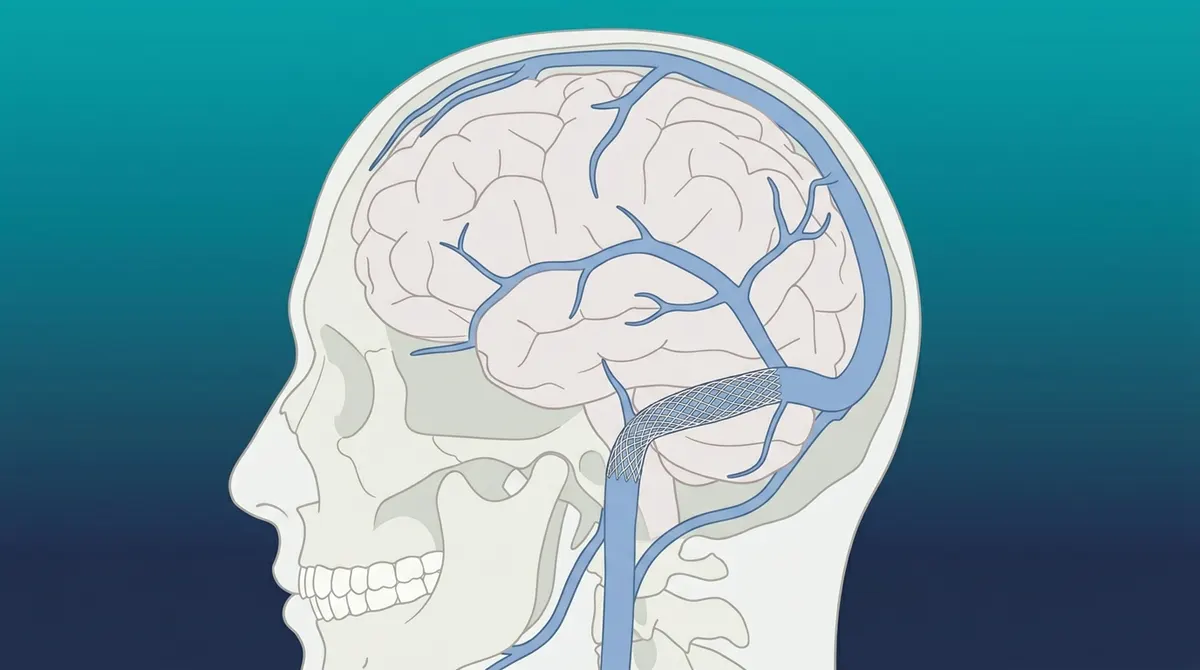
What it is. High pressure in the fluid around the brain with no tumour or other clear cause. It most often affects women of childbearing age, and weight gain is a common trigger.
Symptoms. Headaches, a whooshing sound in time with the heartbeat, brief visual blackouts, double vision, and optic nerve swelling seen at an eye check. Untreated, IIH can threaten vision.
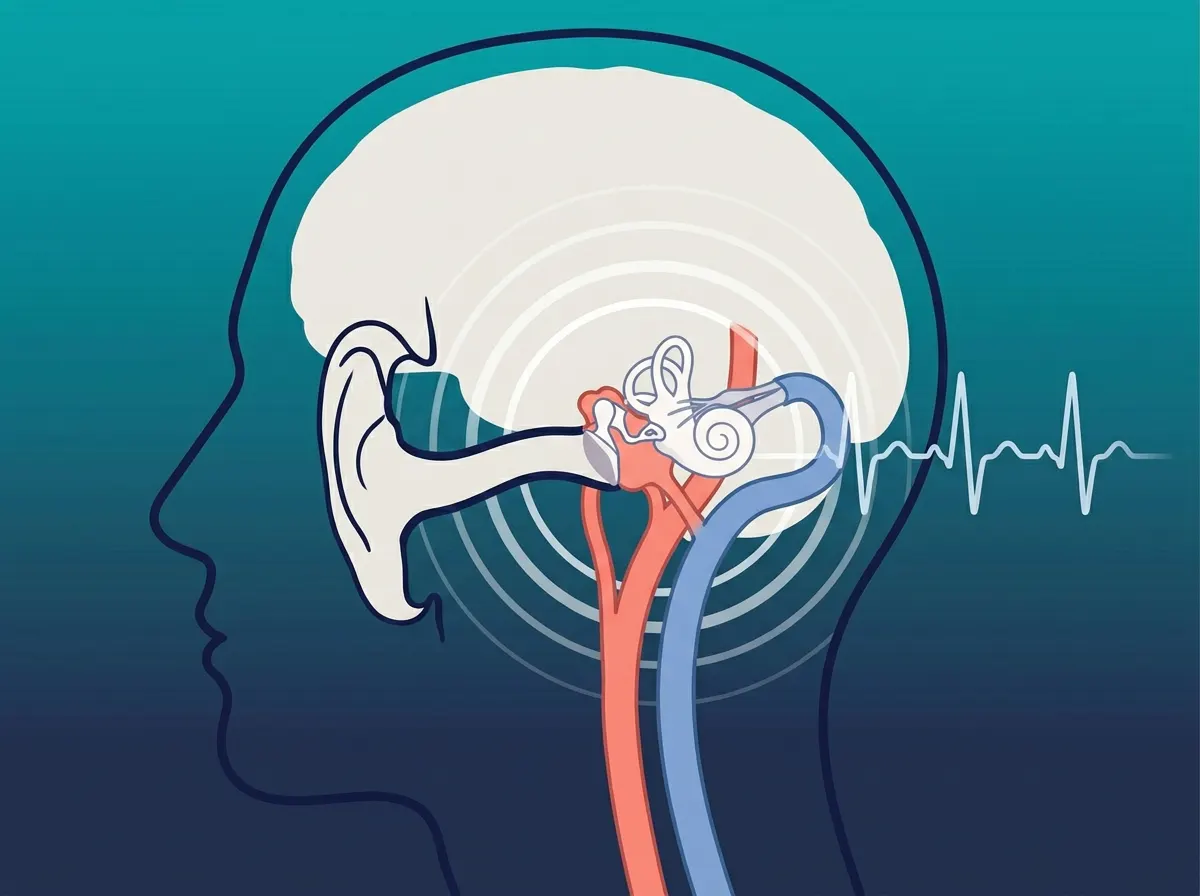
What it is. A rhythmic, usually whooshing sound in time with your pulse. Unlike ordinary ringing tinnitus, it often has a vascular cause that can be found and treated.
Assessment. Usually MRI with venous imaging or CT angiography, sometimes a catheter angiogram. Many causes can be treated with a minimally invasive procedure.
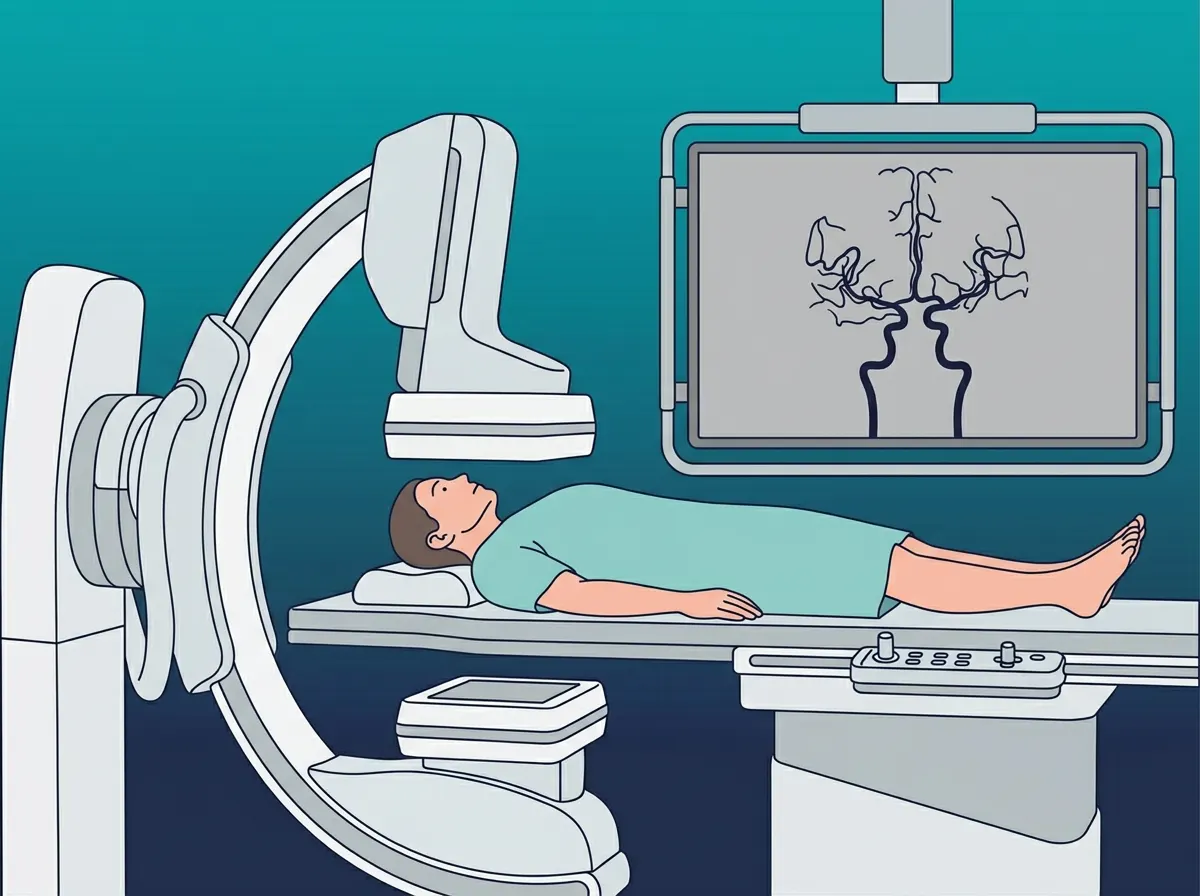
What it is. The most detailed test of the brain’s blood vessels. A thin catheter is passed from the wrist or groin, dye is injected, and X-ray images are taken.
Before. You may need to fast for a few hours. Tell us about any contrast allergy, kidney problems, diabetes medications and blood thinners.
During. Usually local anaesthetic with light sedation, taking 30 to 60 minutes. You may feel a warm flush when the dye is injected.
After. A few hours of rest (less after wrist access), and most people go home the same day. Avoid heavy lifting for a few days.
Risks. Serious complications are uncommon (less than 1 in 100). They include bruising at the access site, a dye reaction, or, rarely, stroke. We will discuss your individual risks beforehand.
Sources: Stroke Foundation, healthdirect Australia, Brain Foundation, Intracranial Hypertension Research Foundation, and AHA/ASA and ESO guidelines.
Qualifications & recognition
Doctor of Medicine, UFCSPA, Porto Alegre, Brazil.
Fellow of the Royal Australian and New Zealand College of Radiologists.
Recognised Interventional Neuroradiology specialist (Conjoint Committee for the Recognition of Training in INR).
European Board of Interventional Radiology.
ESMINT European Stroke Diploma.
Research
| Title | Journal | Year |
|---|---|---|
| DIVA study: Distal vessel aspiration in acute ischaemic stroke using the RED 43 catheter, international multicentre experience First author | Interventional Neuroradiology | 2025 |
| Transradial vs transfemoral access for diagnostic cerebral angiography: acute MRI findings in 500 consecutive patients First author | Journal of NeuroInterventional Surgery | 2024 |
| Vanguard Study: the fourth-generation Pipeline Vantage flow diverter, 6-month results | Journal of NeuroInterventional Surgery | 2024 |
| ProFATE: proximal blood flow arrest during endovascular thrombectomy, a multicentre randomised trial | Stroke | 2024 |
| Ultra-long transfers for endovascular thrombectomy: the Australia–New Zealand experience | Stroke | 2023 |
| Robotic stroke thrombectomy: feasibility and efficacy in flow models | Journal of Stroke | 2025 |
Peer reviewer for the Journal of NeuroInterventional Surgery, The Neuroradiology Journal, JMIRO and Radiology Case Reports. Full list on ORCID.